

Goal Setting · Habit Tracking
Track Goals Without Letting Tracking Take Over
Tracking should help us understand what happened, not consume the whole day. When a system starts demanding constant attention, it stops being useful and starts becoming another task to manage....
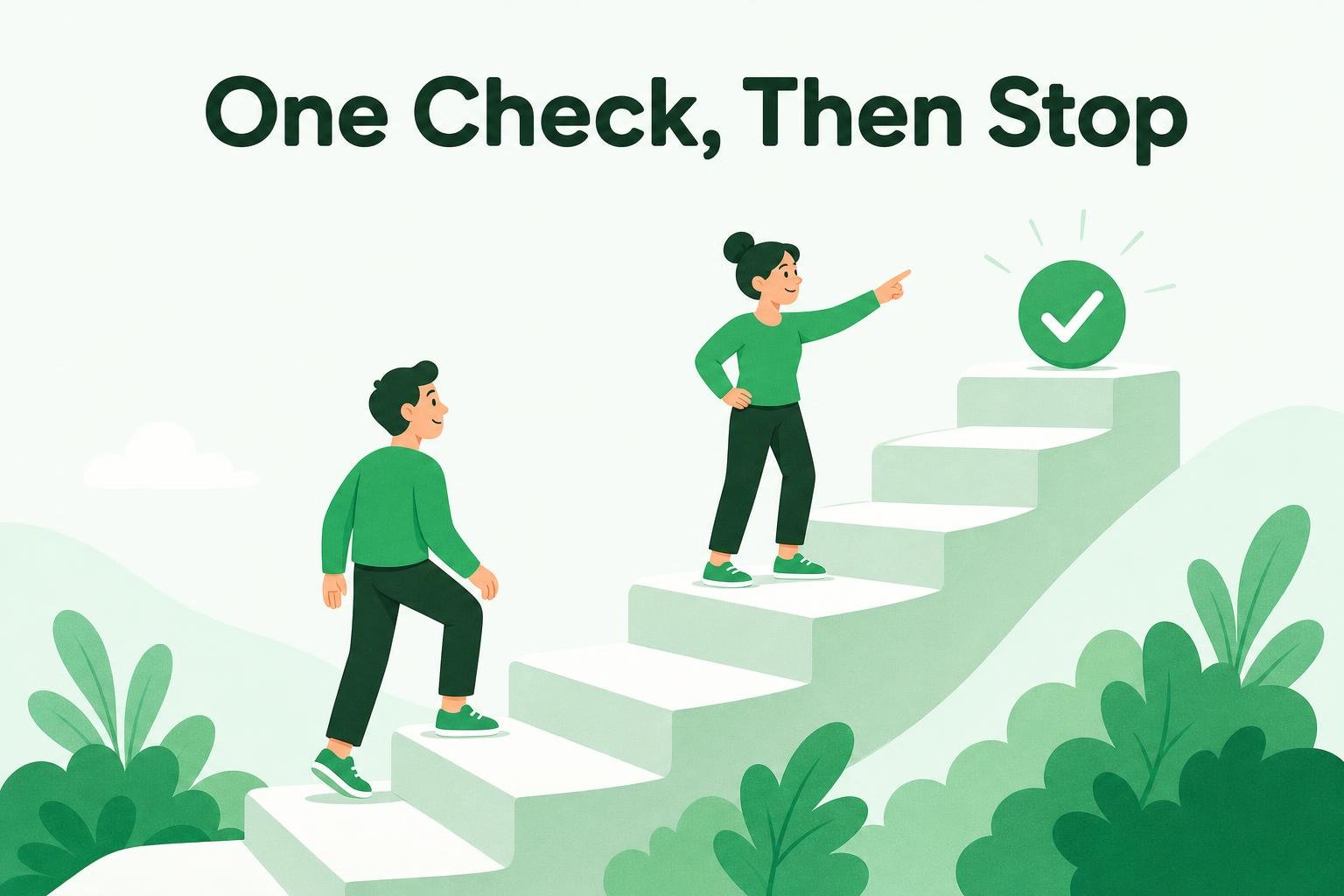
Tracking should help us understand what happened, not consume the whole day. When a system starts demanding constant attention, it stops being useful and starts becoming another task to manage. For ambitious individuals and habit-builders, the goal is not to monitor every detail. The goal is to notice whether the work moved.
That is why simple tracking works so well. A clear signal, a single check-in time, and one next action can keep progress visible without turning the process into a second job. When we keep the system light, it becomes easier to stay honest, stay consistent, and keep moving.
Why Simple Tracking Works Better
Many people overcomplicate tracking because they want certainty. They want to know exactly what happened, why it happened, and how to fix everything at once. But the more attention a system demands, the more likely it is to get ignored or resented.
A simpler approach keeps the focus on movement. Did the work happen or not? Did the habit get completed or not? That kind of clarity is enough to support consistency. We do not need to inspect every detail to make progress. We only need a reliable way to see whether we stayed on course.
This is where one signal can make all the difference. Instead of tracking everything, we track the one outcome that matters most for the goal. That keeps the process honest without making it exhausting.
One Signal, One Check-In Time
A practical tracking system works best when it is easy to remember and easy to repeat. One signal means choosing the single indicator that tells us whether the work moved. One check-in time means reviewing it at the same point each day so the process becomes automatic.
For a writing goal, that might mean checking at 4:30 p.m. whether the draft was sent. If yes, we stop. If no, we note the blocker and choose the next step for tomorrow. That is the whole system. It is short enough to stay honest and simple enough to keep using.
When the check-in is predictable, it becomes less emotional. We are not deciding in the moment whether to overanalyze. We are simply asking one clear question and responding with one clear action.
When Tracking Becomes Too Much
There is a point where tracking stops supporting the goal and starts competing with it. If every update feels like a review, the system is asking for too much attention. That usually means the process has become heavier than the work itself.
At that stage, the best adjustment is often not more effort. It is less complexity. Narrow the focus. Choose one signal. Pick one time. Keep one action ready for what comes next. That structure protects energy while still giving us enough visibility to stay accountable.
This is especially important for people who already struggle with consistency. A complicated system can create friction, while a simple one can make follow-through feel manageable. The easier the check-in, the more likely it is to happen.
How Goalmate24 Supports Consistent Progress
At Goalmate24, we believe tracking should be useful, not overwhelming. Our approach is built for people who want enough visibility to stay on course without turning every update into a review. That balance matters because consistency is easier to maintain when the system respects our attention.
If we want a tracking method that supports habits instead of distracting from them, simplicity is a strong place to start. One signal can show whether the work moved. One check-in time can keep the process grounded. One next action can turn a missed step into tomorrow’s plan.
For a clearer, lighter way to stay accountable, explore Goalmate24 and see how simple tracking can support steady progress. If we want a system that helps us notice what happened without taking over the day, our approach is designed to keep the focus where it belongs: on moving forward.